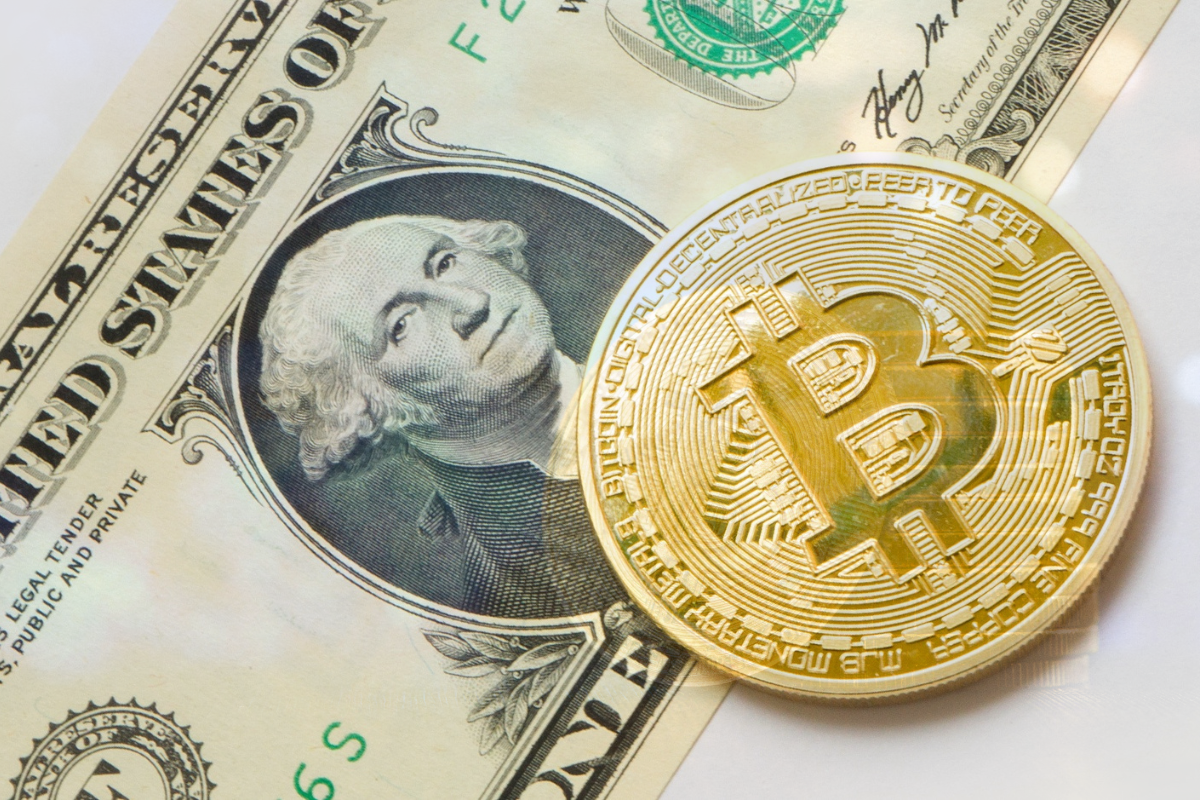

The Bank for International Settlements has introduced a new rule that could help bring cryptocurrencies into the global banking system. Banks are now permitted to put up to 2% of their Tier 1 capital into digital currencies. BIS, the central banker’s bank, published these steps as a guide for how cryptocurrencies connect to the regular financial world.
While the BIS has pointed out the challenges of crypto, this announcement shows how important digital assets have become. This article looks at the rule’s implications by showing what it allows, how it works, and what it might mean for the banking industry, the economy, and the crypto world going forward.
About BIS Policy Shift
In this section, you will learn the main details of the new BIS rule and how it identifies which digital assets banks can own.
Overview of the Crypto Exposure Limit
Based on its recent decision, BIS has said that banks may put up to 2% of their top-tier capital into crypto, while living by strict standards. According to the rule, BIS refers to group 2 assets such as Bitcoin (BTC) and Ethereum (ETH), which do not have support from traditional financial tools.
Even with the rule allowing 2%, BIS advises banks not to hold more than 1%. This allows us to control financial risks. From January 1, 2025, banks will need to adhere to this rule—a step towards using crypto in more responsible ways.
The Classification: Group 1 vs Group 2 Cryptoassets
According to BIS, there are only two categories for crypto.
Group 1 Assets covers tokenized government bonds and stablecoins, proving their security. Such providers are thought to be safer because they follow existing banking rules.
Group 2 Assets cover cryptocurrencies such as Bitcoin and Dogecoin. These types of assets are not secured by anything in the physical world. According to BIS, cryptocurrencies are high-risk, so banks must match every dollar they keep in cryptocurrencies with an equivalent dollar of the most substantial financial capital. For this reason, banks must have enough substantial capital to fully cover the value of the assets they hold.
Why BIS Policy Shift Matters?
This section shows the role of BIS’s choice and what it can bring to digital currencies in regular banking in the future.
Landmark Decision in Central Bank Policy
BIS has often criticized crypto in the past for being unstable and risky. Now, letting banks hold a small amount shows that crypto is no longer a fringe idea. This decision shows a careful balance between safety and progress.
Step Toward Mainstream Legitimacy
If banks keep just a small amount of their wealth in crypto, digital currencies are entering the regular financial system. As a result, banks need to start creating tools for managing, storing and controlling cryptocurrencies properly.
Operational Impact on Banks
Here, we discuss what banks must do to comply with the new BIS rule.
Need for New Risk Management Models
Crypto is not the same as cash or bonds. It stays open around the clock, uses sophisticated technology, and can move rapidly in value. Banks must create new tools to track and manage these risks. Old tools that worked for regular money will not be enough anymore.
Infrastructure and Custody Requirements
Banks will need special systems to keep digital assets safe. This includes using secure wallets, multi-signature access, and smart contract checks. Some banks might work with crypto firms that already offer these services instead of building their own tools from scratch.
Compliance, Reporting, and Transparency
To follow BIS rules, banks must build systems that watch all crypto activity in real time. These tools should track transactions, analyze blockchains, and create reports for regulators. Automation will play a big role in making sure all data stays up to date and accurate.
Benefits and Opportunities
This part looks at the possible positive outcomes of this new 2% rule for banks and the wider financial market.
Portfolio Diversification
Despite the 2% cap, banks can still incorporate crypto into their investment products. As a result, they can give customers a wider range of options and build a more diverse set of businesses. It also helps you earn more money through handling service fees and managing accounts.
Innovation in Financial Products
Using crypto could lead to fresh types of financial products. These may include tokenized exchange-traded funds (ETFs), crypto-backed loans, or digital asset trading inside existing banking platforms. All of this will happen under clear rules.
Increased Institutional Trust in Crypto
Because central banks are now accepting crypto, major financial institutions may do the same. Some institutions like pension funds, insurance companies and those backed by the government could start accepting digital assets. Such an approach can increase the depth of the market and attract long-term investors to crypto.
Global Regulatory Reaction on BIS 2% Crypto Reserves for Banks
European Central Bank (ECB)’s Conservative Stance
The ECB, under Christine Lagarde’s leadership, has been very cautious about Bitcoin and other similar coins. They do not accept these assets for reserves. BIS’s new rule may influence their view in the long run, but they are unlikely to change their stance soon.
US Federal Reserve’s Position
The Fed has not set a rule exactly like BIS yet. However, they support the idea of turning real-world assets into digital ones. They are also keeping a close eye on stablecoin regulation. BIS’s move might guide how the U.S. shapes its crypto banking policies in the future.
Asian Regulators Showing Growing Interest
A number of areas across Asia are moving towards being more flexible about crypto. The three countries, Singapore, South Korea and Japan, have succeeded in allowing banks to interact with digital assets. Japan’s regulation already supports crypto services from banks.
Risks and Challenges of BIS 2% Crypto Reserves for Banks
Every opportunity brings challenges. This section looks at the risks that come with banks holding crypto.
Volatility and Price Manipulation
Bitcoin and other coins can jump or drop in value very quickly. This could cause sudden problems for banks unless they use tools like hedging. However, these tools are not always reliable due to weak rules around crypto-based financial products.
Cybersecurity Threats
Banks storing crypto will have to keep their keys, smart contracts and blockchain systems secure. Over the years, these have been attacked by hackers. It is important for banks to develop extensive measures that prevent theft or attacks.
Regulatory Uncertainty in Specific Regions
Not all countries will implement BIS’s way of operating. India’s central bank has not given its support to crypto and China has outlawed its use. Because their regulations do not permit this, banks in these areas cannot comply with the 2% rule.
What’s Next for Banks and Crypto?
As we draw nearer to 2025, these are the possibilities we might see in banking and crypto. It is likely that banks will begin their digital currency journey with Bitcoin and Ethereum.
These coins see the greatest amount of daily trade because they are so popular. Because of this, banks should pay special attention to them first. Most of the time, they prefer stable coins rather than ones with no real value.
Rise of Regulated Crypto Products
As crypto becomes part of regular banking, more legal and approved products will appear. Banks might offer things like digital loans, blockchain investment tools, and token-based funds. These will work within clear and safe rules.
Future Expansion Possible Based on Market Maturity
If this trial goes well, BIS may raise the limit in the future. Banks that build strong crypto systems may ask to hold more than 2%. This could push digital assets further into everyday banking and finance.
Conclusion
The decision by BIS to set a 2% crypto allocation for the top capital among banks is viewed as a big development. It indicates that despite their caution, regulators are now allowing some part of digital currencies into their financial systems.
Banks need to make new tools, alter risk-related processes and change their reporting methods to regulators. This proves that interest in cryptocurrencies is increasing in the market. For regulators, it offers a model for how to include digital assets without harming stability.
As 2025 approaches, everyone will watch how banks act on this rule. Those that move early and plan well could gain strong positions in the digital economy.
Bitcoin Reserve Tracker is a perfect solution for various investors looking to get a complete glimpse of bitcoin reserve data.