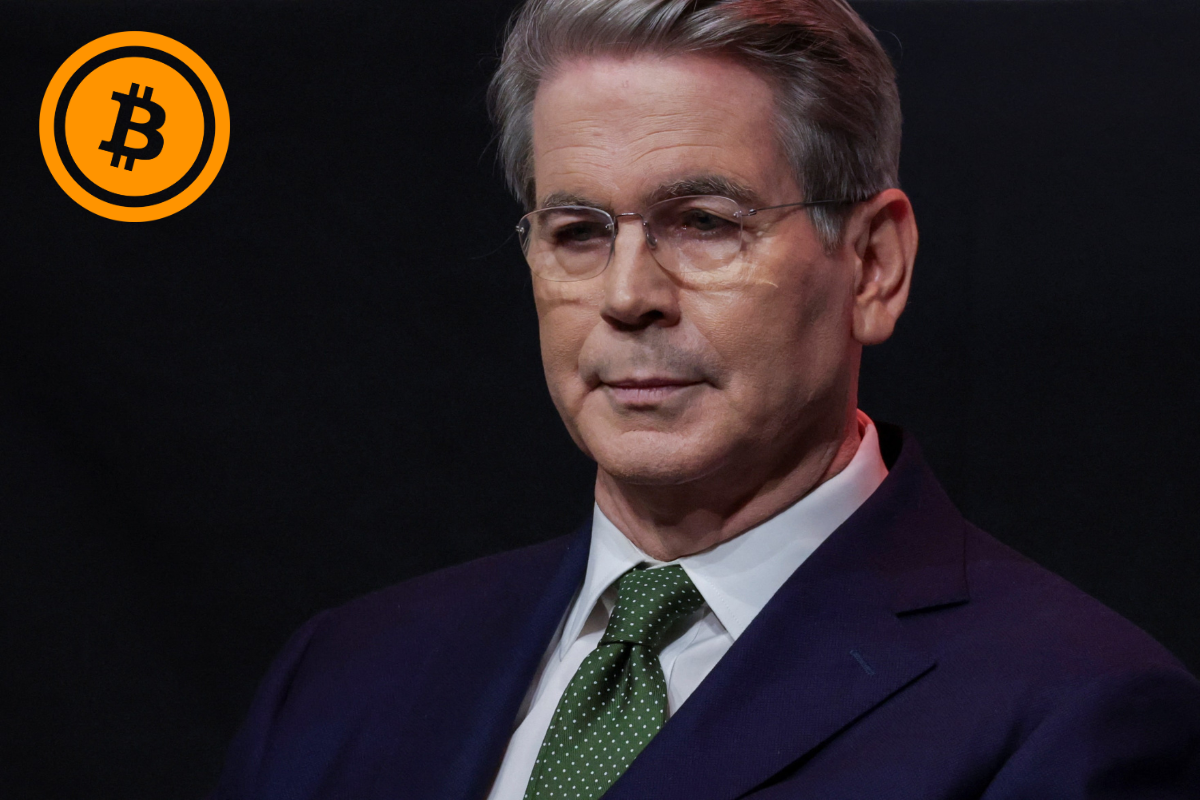


In 2025, the U.S. government made headlines by announcing the establishment of a Strategic Bitcoin Reserve. Right after the policy was shared, David Sacks, a tech entrepreneur, investor and now White House top crypto official, commented that simply holding Bitcoin is not enough; the policy should inspire a whole new approach to national reserves for the digital age.
He suggests that with its distinct features, Bitcoin can provide American economic strength like gold did for half a century.
This article unpacks Sacks’ thinking, discusses why he is critical of previous policies, and outlines his view of the future. It helps readers understand why he believes Bitcoin is essential for the US.
David Sacks: Bitcoin can be a Strategic Reserve
The main idea behind Sacks’ proposal is not hard to understand: Only Bitcoin is truly digital “cash,” and its unique qualities make it suitable as a strategic reserve for the U.S.
Bitcoin’s Scarcity and Security
It has become clear to Sacks that Bitcoin’s rules limit its supply to 21 million, capped by calculations rather than government policies. He argues that absolute scarcity, which is displayed by cryptocurrencies, is unlike anything ever seen in the history of money. Because it is not printed on demand like fiat money or excavated from the ground as is gold, the number of Bitcoin is set and everyone who cares can see it.
Resilience Against Inflation and Political Risk
In his view, the dollar’s reputation as the main world currency may erode due to growing debt, inflation, and tougher rivals. He feels that Bitcoin’s decentralized nature and ability to resist inflation make it an excellent way to protect savings. With Bitcoin, the US can hedge against difficulties inside its economy and trouble from abroad.
Learning from Gold
Sacks frequently explains how Bitcoin is similar to the gold standard. In Dr. Rolfe’s opinion, Bitcoin could support the stability, sustainability and security of a nation in the same way that gold did in years gone by. He notes that countries with lots of gold handled financial crises well and he foresees Bitcoin taking over this role as more money is digitized.
Why David Sacks Supports Strategic Bitcoin Reserve?
Even without a reserve, the U.S. used to put seized Bitcoin on the market, unable to benefit from its rise in value. He says this was a bad decision, as early sales reduced the value of taxpayers’ holdings by around $16 billion. He is convinced that Bitcoin should be valued in the same way as gold, as it can strengthen the country’s finances, protect against loss to inflation, and reduce risks from global economic uncertainty.
- The government previously had around 400,000 BTC before selling half at just $360 million. That $360 million is now worth over $17 billion.
- According to Sacks, this was a mistake of selling bitcoin too early; he says the U.S. should not do this again.
- Sacks described the reserve as a ‘digital Fort Knox’ and stressed that Bitcoin should not be sold off, given its value-storing role.
- He feels that Bitcoin is valuable for its usefulness, not only as a possible investment and wants people to preserve it for future generations.
Ways David Sacks Is Shaping Bitcoin Strategic Reserves
David Sacks has greatly contributed to changing how America sees Bitcoin as part of its national strategy. Because of him, the federal government has new policies, protocols, and a revised vision for managing digital assets. In the sections below, we explain the ways Sacks is influencing future Bitcoin strategic reserves, with clear explanations for each aspect.
1. Championing Policy Shift from Liquidation to Preservation
Sacks pointed out that the U.S. government’s previous auctioning off of Bitcoin resulted in billions of dollars in missing value. Musk led the way for a new system; the government now intends to keep Bitcoin in its reserves instead of selling it.
This model supports Bitcoin’s purpose as a long-term storage for value, just like gold served years ago. Sacks points out that the reserve’s purpose is to safeguard the nation’s wealth, not just to make the budget balance each year.
2. Designing a Reserve Funded by Seized Assets, Not Taxpayer Money
Sacks’ approach depends on using Bitcoin already confiscated by the government as the only source of the Strategic Bitcoin Reserve.
In this manner, people pay nothing in taxes, making the record appealing both politically and financially. The U.S. will not purchase Bitcoin with government funds, but will use existing assets instead, according to multiple sources.
3. Establishing Clear Operational and Legal Frameworks
It was Sacks who drafted the order which officially launched the Strategic Bitcoin Reserve. The order requires federal agencies to fully record and deliver their Bitcoin holdings to the reserve so all transactions are handled in a unified manner.
They must look at all the legal and investment issues and make proposals for new laws before setting up a powerful way of governing. Taking these measures is important for making sure the reserve is included in wider financial management.
4. Creating Distinct Categories for Digital Assets
Recognizing the unique status of Bitcoin, Sacks advocated for a dual-structure system:
- The entire Strategic Bitcoin Reserve is made up of Bitcoin and is designed for saving over the long run.
- The Digital Asset Stockpile is a separate pool for other cryptocurrencies (like Ethereum and Solana) seized by the government, which may be managed or sold at the Treasury’s discretion.
Sacks thought Bitcoin’s identity as a scarce and safe asset meant it should be held separate from other digital assets which could not be treated the same way.
5. Promoting Transparency and Accountability
Transparency is a cornerstone of Sacks’ approach. The executive order sets that all federal digital assets should be reviewed and their holdings fully accounted for. As a result, both the public and the financial system trust and respect the way assets are looked after. He requires constant updates and watchful eyes to make sure that the reserve is handled well and keeps working properly.
How Sacks Addresses Criticism Around Bitcoin Strategic Reserve?
Sacks knows there are concerns about his approach and has explained them in his writing.
Managing Volatility
Critics argue that Bitcoin’s price swings make it unsuitable as a reserve asset. Sacks points out that increased adoption leads to more volatility, which will lessen as Bitcoin evolves. He adds that at one point, gold was unpredictable, but people now rely on it as a safe way to store wealth.
Security and Custody
Another concern is the risk of hacking or theft. The plan by Sacks uses the latest security methods, like multi-signature wallets, shared control of digital assets and regular checks. He believes that by following best practices, Bitcoin security can match that of any other national currency.
Political Continuity
Sacks points out that future administrations could choose differently. Jerome Powell urges both Democrats and Republicans to support the reserve with legislation, so it can continue as a standard U.S. policy.
Conclusion
David Sacks’s notion of Bitcoin as a strategic reserve is changing American and maybe global perspectives on national wealth and security. Treating Bitcoin as a permanent, untouchable asset, Sacks hopes to protect America’s economic future, offset world threats, and solidify the country’s digital age leadership.
Although problems still exist, his theory represents a turning point in the history of money when digital assets are fundamental pillars of national strategy rather than only speculative tools. If you want to track Bitcoin reserves to explore its popularity, Bitcoin Reserve Tracker will never disappoint. With this tracker to the rescue, you can shape your approach to tracking Bitcoin reserves.