
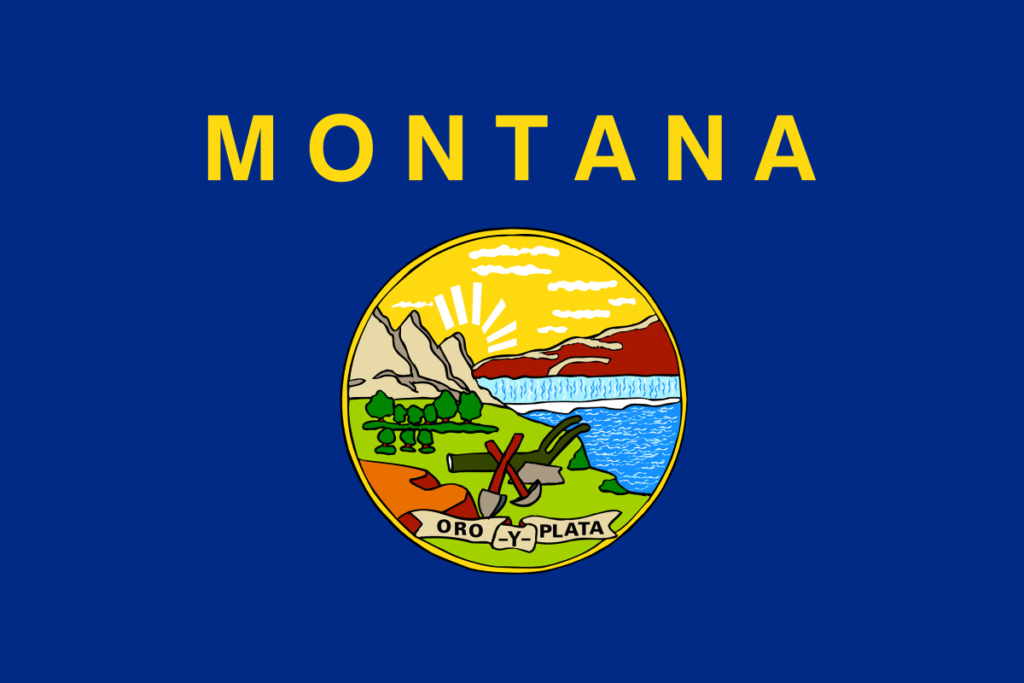

Recently, Montana lawmakers rejected a bill that would have allowed the state to purchase Bitcoin. The bill was called House Bill No. 429. Montana was asked to create a special fund to purchase Bitcoin, stablecoins, and precious metals.
Only assets worth more than $750 billion would qualify. The House voted 59 to 41 against this idea.
Lawmakers were worried about putting state money into risky investments like Bitcoin. They questioned if Bitcoin would be safe for the state’s long-term money plans.
About House Bill No. 429
House Bill No. 429 wanted Montana to put money into Bitcoin, stablecoins, and precious metals. The state would use a special account for these investments. The goal was to help Montana make more money and possibly return extra funds to taxpayers.
Bitcoin was the main focus because it’s the only digital money that has a value over $750 billion. If Montana had passed this bill, it would have joined states like Utah, Arizona, and Texas. These states are also thinking about buying crypto for their reserves. This has become a hot topic in crypto news lately.
What Did The House Bill 429 Bill Propose?
The bill wanted Montana to start keeping Bitcoin as part of its money reserves. Other places around the world are doing similar things with crypto.
The main idea of this was to protect Montana’s money from losing value over time. Since bitcoin doesn’t work according to the same rules as real money, it might hold its value better.
Now more companies and big investors are treating Bitcoin like gold or something valuable you can save. Montana lawmakers didn’t think that was a good enough reason to pass the bill.
Who Voted Against And Why?
Everyone was shocked that even a few Republicans voted against it, especially because Republicans like free market ideas. Here’s why lawmakers voted this down.
Bitcoin’s price changes too much, and they worried they could lose the state a lot of money. They had concerns about keeping Bitcoin safe and secure for the state. They pointed out that crypto rules in America are still being figured out.
Montana’s Bitcoin Reserve Bill: Why Was It Rejected?
House Bill No. 429 was a new type of law that wanted Montana to create a special account for investing. The state would put money into different types of valuable things. The bill listed three main areas:
- Precious Metals
- Stablecoins
- Digital Money That Stays, Worth More Than $750 Billion
Right now, Bitcoin is the only crypto that meets that last rule. This meant the bill was really about letting Montana buy Bitcoin, even though it mentioned other things too. The plan was to spread out Montana’s investments and maybe make money as crypto grows.
But the bill didn’t get enough support in the Montana House. The numbers show what happened: 41 people voted yes and 59 voted no. Most lawmakers said no, which stopped any plans for Montana to buy Bitcoin right away.
Montana’s Bitcoin Reserve Bill Rejection: Legislative Debate and Key Concerns
On February 22, 2025, lawmakers talked about the bill on the House floor. They had many worries about it. Representative Steven Kelly said he was concerned about crypto’s ups and downs. He told everyone, “It’s still taxpayer money, and we’re responsible for it, and we need to protect it.”
Representative Bill Mercer also had doubts. He questioned giving the state’s investment team power to buy digital assets and NFTs. He said, “I did not come here to do that.”
Some lawmakers did support the bill. Representative Schomer was one of them. He said having different types of investments could protect against inflation and federal money problems. Schomer believed the state could make more money this way. He thought not passing the bill was a missed chance for Montana to grow financially.
Is It Possible Montana could Reconsider This Bill In The Future?
This version of the Montana Bitcoin bill is finished, but supporters think they might try again. They could bring back a new version with changes that fix the problems lawmakers worried about. If they can solve issues about money and watching over investments, they might have another chance in future meetings.
24 states have examined the possibility of creating Bitcoin reserves around the country. Utah is doing the most work on this idea. Montana could still join these states if it develops the right plan.
Future of Bitcoin in Montana
Now that House Bill No. 429 has failed, Montana won’t be getting a Bitcoin reserve anytime soon. What does this mean for digital money in Montana? Here are the main points:
- Temporary Setback: Just because this bill didn’t work doesn’t mean Montana will never try crypto again. New bills might come up later that fix the problems people worried about with HB 429.
- Awareness is Key: The rejection shows that lawmakers and regular people need to learn more about crypto and blockchain technology. As more people understand these things, opinions might change.
- Focus on Other Crypto-Friendly Measures: Montana could still find other ways to work with crypto. They might make rules that help crypto businesses, bring in blockchain companies, or use blockchain technology for state services.
- National Trend Watch: Montana’s decision is part of a bigger conversation about crypto at state and federal levels across America. Other states are making crypto-friendly rules, and Montana will probably watch what happens with them.
- Impact on Local Crypto Community: Montanans who like crypto might be upset about this result. However, it could also make them work harder to talk to lawmakers and build support for future bills.
Conclusion
The failure of House Bill 429 shows how complicated it is to add crypto to government money management. Different people have very different ideas about this. As digital money becomes more common worldwide, state governments have to balance trying new things with being careful with taxpayer money. Montana’s recent choice shows that many lawmakers want to be cautious when dealing with financial uncertainty and their duty to protect public funds.
Are you ready to track Bitcoin reserves? Bitcoin Reserve Tracker has a user-friendly interface that allows you to do so with a few clicks.