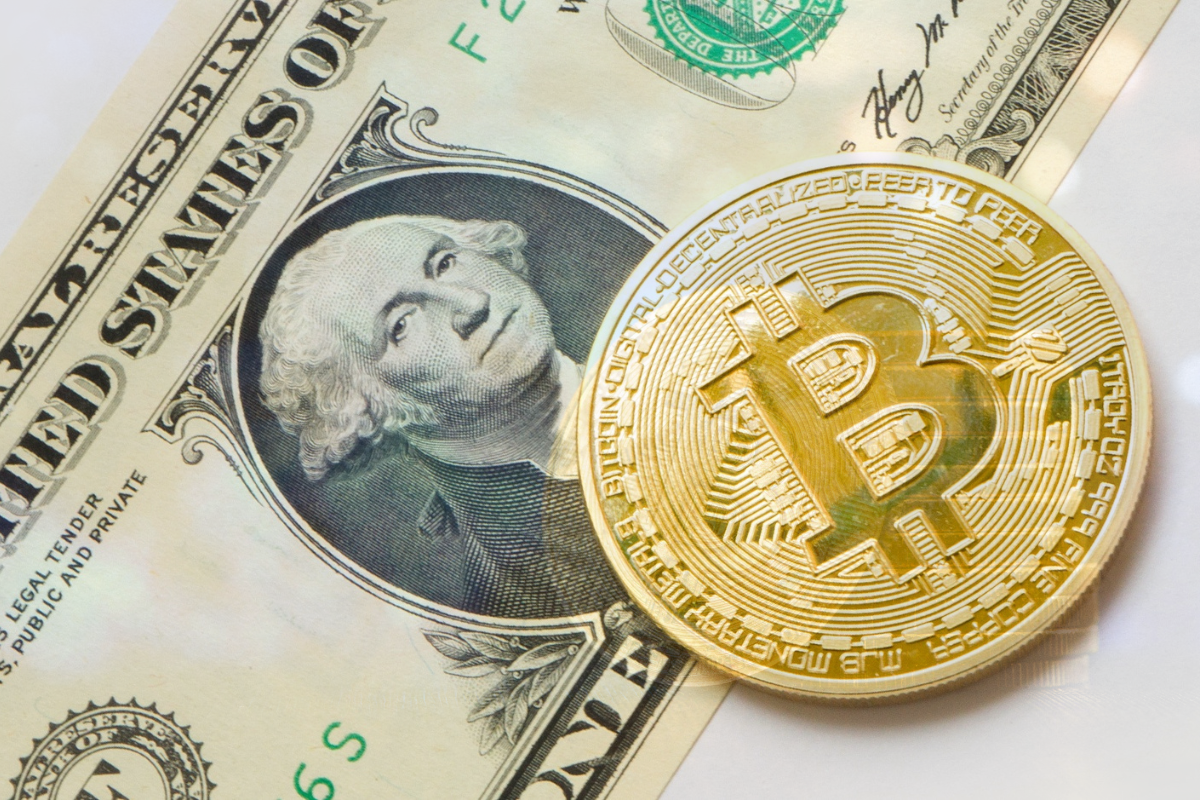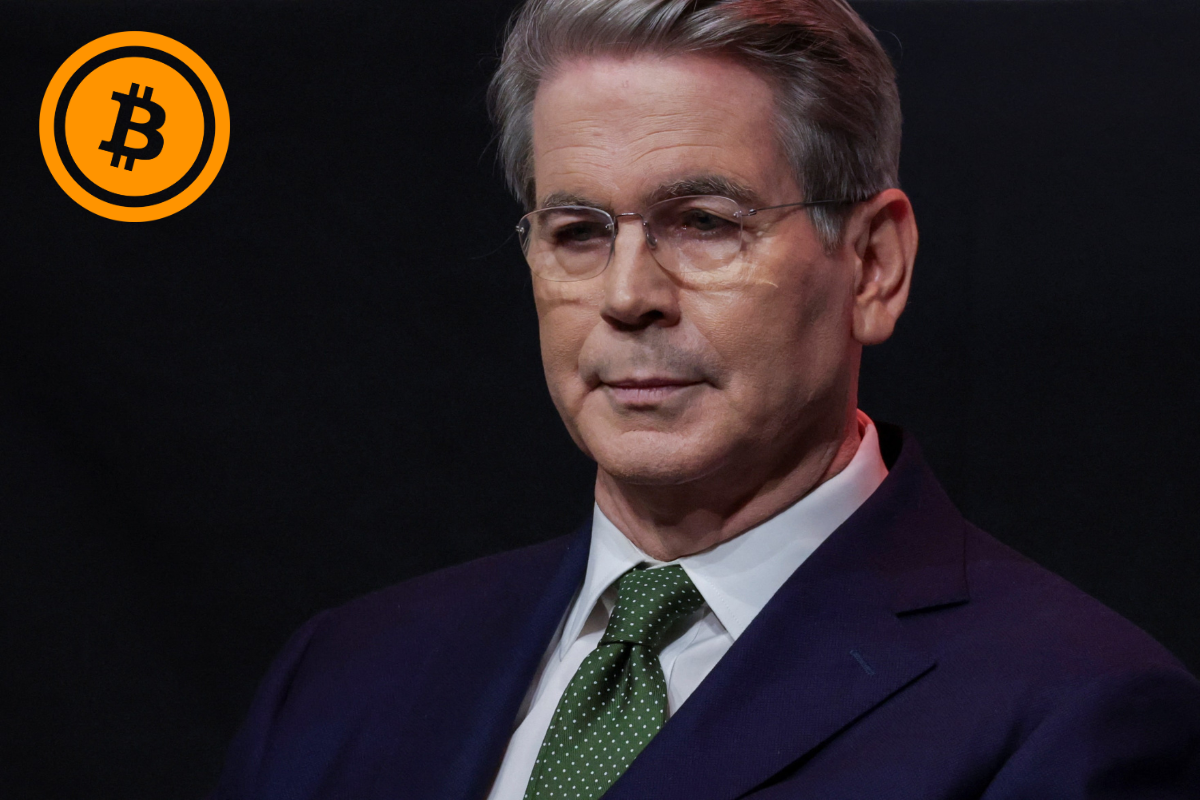

A big change occurred in the financial sector in early 2025. American officials revealed their intention to store Bitcoin as a reserve. The initiative started with President Trump and his selected Treasury Secretary Scott Bessent, gave the details. This plan changes how regular economies think about adding digital currencies like Bitcoin to their national stockpiles.
Scott Bessent worked as the top investment manager for George Soros’s fund before taking this job. He now has a clear goal: build a Bitcoin-backed safety net that protects American economic interests. The world’s digital economy keeps changing fast, and this reserve helps the U.S. stay ahead. Bessent mixes old-school economic thinking with new cryptocurrency ideas.
This piece breaks down Bessent’s plan from every angle. We cover why he wants to do this, how it will work, what good things might happen, and what could go wrong. Everything is laid out clearly so you can understand the full picture.
Who Is Scott Bessent?
You need to know about Scott Bessent before you can understand his plan. He knows a lot about money and economics from years of big-time investing. He ran investments at Soros Fund Management, where he handled billions of dollars from around the world. People respect him because he can spot economic changes before they happen. When Bessent supports a financial move, people pay attention because he thinks carefully about risks.
Previous Roles and Financial Influence
- Top investment officer at Soros Fund Management from 2011 to 2015
- Started Key Square Group, which invests globally
- Gave advice to many hedge funds and private equity companies
Bessent managed huge amounts of institutional money for years. This experience makes his Bitcoin support more believable. He doesn’t get excited about crypto for no reason. Instead, he looks at investments practically, which makes people take this plan seriously.
What Is the U.S. Strategic Bitcoin Reserve?
The Strategic Bitcoin Reserve represents a new economic approach. The United States wants to add Bitcoin to its national reserves alongside other assets. Bitcoin works differently from regular currencies or gold because no single authority controls it, and only 21 million coins will ever exist. This makes it a fresh way to protect against rising prices and global money problems.
Why Is It Strategic?
- Takes Bitcoin that was seized from criminals and puts it to good use
- Protects the country when regular money loses value
- Shows the world that America leads in digital money
This goes beyond just investing money. The U.S. is making a statement about economic independence and smart planning for the future.
Core Objectives of Bessent’s Bitcoin Strategy
Scott Bessent built his Bitcoin reserve plan around four main goals. Each goal makes financial sense and prepares America for the future.
Diversifying U.S. Reserve Assets
America’s reserves usually include foreign money, gold, and special international credits. Bitcoin adds a completely new type of diversification.
- Doesn’t move up and down with regular currencies
- Politicians can’t control or manipulate it
- People can buy and sell it anywhere in the world, and all transactions are visible
Enhancing National Financial Security
Adding Bitcoin helps the U.S. depend less on the dollar and protects against owing too much to other countries.
- Guards against situations where money becomes worthless
- Provides protection when central banks make bad decisions
- Gets both government and private companies to invest more in American crypto technology
Halting Forced Sales of Seized Bitcoin
The government used to sell Bitcoin taken from criminals at public auctions. Bessent wants to keep these assets for long-term reserves instead.
- Builds up reserves without using taxpayer money
- Stops the need to sell on the market, which usually pushes prices down
- Makes good use of crypto that was just sitting around doing nothing
Signaling Confidence in Digital Currency
Bessent sees this as a way to send a message to other countries about America’s position.
- The U.S. backs new financial technology
- Government and private businesses can work together on fintech
- America wants to lead the global digital economy by setting an example
Implementation Phases of the Reserve Plan
From Concept to Reality
Bessent plans to roll out his strategy slowly in several stages. Each phase balances new ideas with careful risk management.
Phase 1: Consolidation of Seized Assets
- Move all legally taken Bitcoin into a national reserve
- Set up digital storage standards
- Make everything public and auditable
Key Insight: U.S. authorities took over 200,000 Bitcoins during operations like the Silk Road shutdowns. These coins could start the new reserve.
Phase 2: Regulatory Framework and Infrastructure
- Work with the SEC, CFTC, and FinCEN
- Create a council with both government and private sector members to manage reserves
- Build digital wallet storage systems using secure offline storage
Phase 3: Strategic Acquisition Without Taxpayer Burden
Bessent wants to get more Bitcoin gradually without using taxpayer money. His methods include:
- Buy from the open market using extra government revenue or trading other assets
- Encourage voluntary donations or partnerships with companies that hold crypto
- Look into using stablecoin profits for reinvestment
Public and Political Reactions to Bessent Bitcoin Reserve Strategy
Mixed Opinions in Government Circles
Some people think this move shows great vision and keeps America competitive. Democratic critics and some in the financial world are concerned about the risks.
Supporters Say:
- Because bitcoin works like digital gold, it makes sense to have some in our portfolio.
- Other countries are purchasing Bitcoin. We must stay at the forefront.
Critics Say:
- Crypto prices fluctuate too often, and nobody observes or manages them well.
- The government might encourage risky speculation by getting involved.
Concerns About Conflicts of Interest
Some critics think this plan might help private Bitcoin owners make money unfairly. Bessent promises to make all reserve transactions completely transparent and auditable to address these concerns.
Comparison with Global Bitcoin Reserve Movements
Growing Global Trend
Many nations and central banks are thinking about or already holding Bitcoin as part of their reserve strategies.
Countries Leading the Way:
- El Salvador: Owns more than 2,000 BTC in its national treasury
- Russia (possibly): Looking into crypto to avoid sanctions
- Iran & Venezuela: Have mined and stored Bitcoin for international trade
How the U.S. Stands Out
Smaller countries made Bitcoin their official money for daily use. The U.S. treats Bitcoin differently as a strategic financial asset, not as spending money.
Risks and Challenges of the Reserve Plan
Bitcoin’s Volatility
Bessent knows Bitcoin prices go up and down a lot, but he argues that prices become more stable when you hold Bitcoin for four years or longer.
Regulatory Overlap
The U.S. crypto rules are complicated because different agencies handle different parts:
- SEC: Decides if crypto counts as securities
- CFTC: Watches over derivatives
- FinCEN: Handles money laundering and customer identification rules
Bessent’s plan includes cooperation between agencies to make policy development smoother.
Custody and Cybersecurity
The plan needs rock-solid storage solutions to prevent:
- Hacks like what happened to Mt. Gox or FTX
- Bad management or threats from insiders
- Someone messing with the data
They are exploring the use of offline storage along with several signatures on their blockchain and clear visibility for the government.
Long-Term Economic Implications of Scott Bessent’s Bitcoin Reserve Strategy
Influence on the U.S. Dollar
If this works, Bitcoin could make the dollar stronger in the global economy by supporting it, not replacing it.
- Could work as a backup reserve
- Gives extra capital support without adding to national debt
- Protects against people losing trust in traditional money policy
Boosting U.S. Crypto Innovation
This move would encourage:
- More crypto companies to operate in the U.S.
- Stablecoin frameworks like USDC and FDUSD to work with reserves
- Development of blockchain-based public infrastructure
Scott Bessent on Bitcoin Reserve Strategy: Next Steps in 2025 and Beyond
The next few months will focus on:
- Ensuring lawmakers sign off on the creation of the reserve
- Reporting what is held in the investments every three months
- Introducing a program to teach people the basics of Bitcoin and its strategy
Conclusion
Scott Bessent’s Bitcoin Reserve Strategy is about more than gaining attention. It will bring about a major transformation in how national assets are managed today.
Bessent combines careful optimism with long-term economic thinking to guide America toward financial strength, innovation, and strategic independence. Critics point out real risks, but most people can see the smart planning behind this move.
The digital economy is becoming more normal every day. Having Bitcoin in national reserves might not just be possible anymore; it could become the norm for every country.
Are you finding it challenging to track Bitcoin reserves? Bitcoin Reserve Tracker makes it easy with its platform, which enables users to get complete data on Bitcoin reserves.